
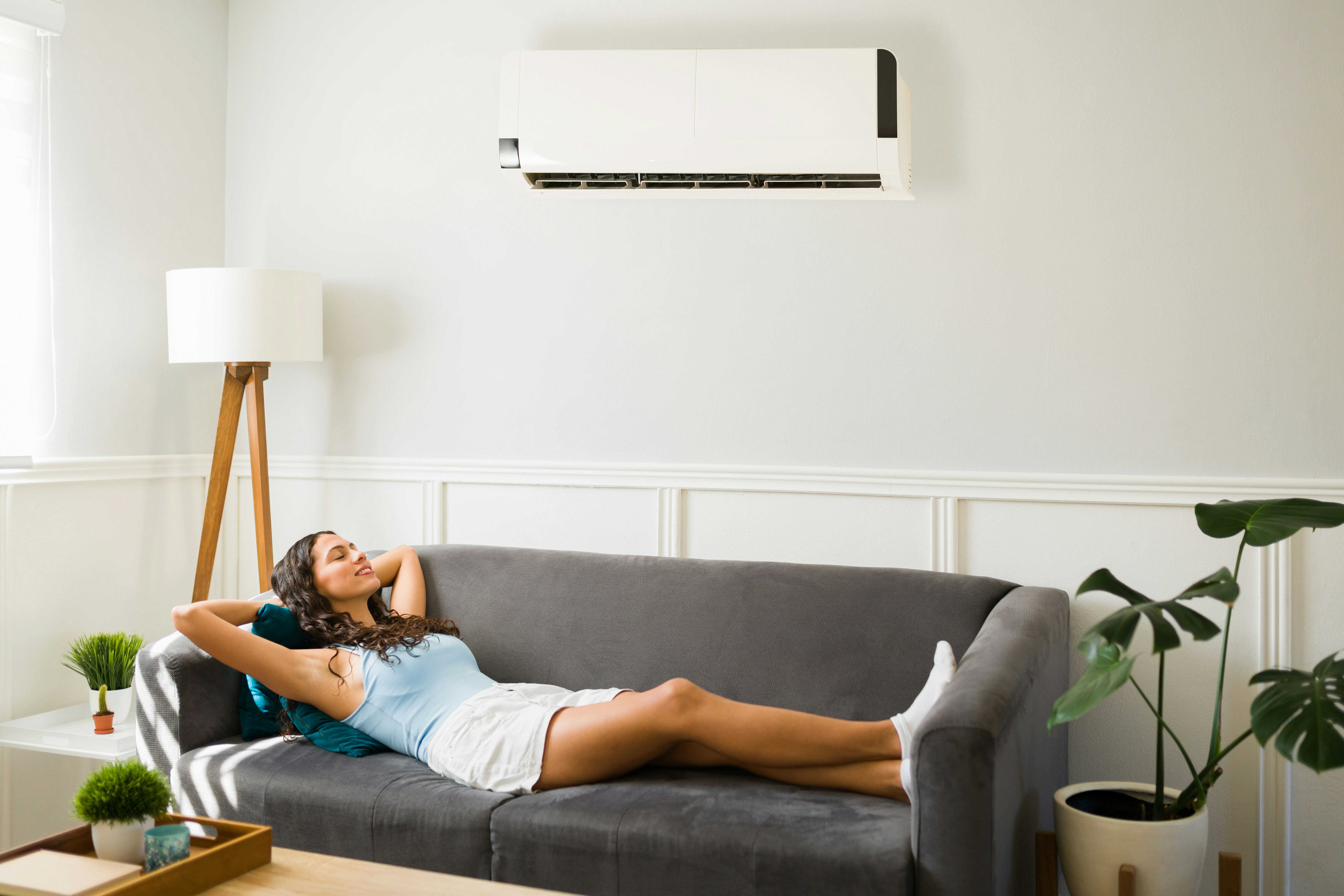
AC Repair or Replace? What Homeowners Should Know
July is typically the toughest month of the year for air conditioning systems in Northwest Indiana. Long stretches of heat, rising humidity, and heavy daily usage can quickly expose weaknesses in an older or struggling AC system. Even units that seemed to “get by” in the spring can suddenly have trouble keeping up once temperatures push into the upper 80s and 90s.
For many homeowners, mid-summer is when the big question finally comes up: should you repair your current system or replace it altogether? The answer depends on several factors, including the unit's age, repair history, efficiency, refrigerant type, and overall reliability.
Making the right decision now can help you avoid repeated breakdowns, rising energy bills, and emergency service calls during the hottest weeks of the summer. Since 2004, Absolute Air has helped homeowners and businesses throughout Northwest Indiana evaluate their options with honest recommendations, upfront pricing, and experienced HVAC service.
AC Stopped Working? Check These Things First
Before scheduling a repair appointment, there are a few simple things homeowners can safely check themselves.
Check the Thermostat
Make sure the thermostat is:
- Set to “Cool”
- Lower than the current room temperature
- Functioning properly with fresh batteries, if applicable
Sometimes, incorrect settings or dead batteries are the entire problem.
Inspect the Circuit Breaker
A tripped breaker can completely shut down your air conditioning system. Reset the breaker once if necessary.
If the breaker trips again shortly afterward, stop resetting it and call a professional. Repeated breaker trips usually indicate an electrical issue that requires expert attention.
Replace a Dirty Filter
Extremely clogged filters can restrict airflow enough to cause cooling problems or system shutdowns. Replacing the filter is a quick and inexpensive first step.
Look at the Outdoor Unit
Check for:
- Debris blocking airflow
- Ice buildup on refrigerant lines
- Unusual sounds
- A fan that isn’t spinning
If you notice ice, electrical issues, or loud mechanical noises, turn the system off and contact Absolute Air. Attempting DIY repairs on refrigerant or electrical components can worsen damage and create safety risks.
Should You Repair or Replace Your AC?
This is one of the most common questions homeowners face during summer, especially when an older unit suddenly breaks down during a heat wave.
The answer depends on several important factors.
Consider the Age of the System
Most central air conditioning systems last around 10–15 years with proper maintenance. As systems age, efficiency declines, and major components become more prone to failure.
General guidelines include:
- Under 8 years old - Repairs usually make sense
- 8–12 years old - Depends on repair cost and condition
- 12–15+ years old - Replacement often becomes the better long-term investment
An aging system may still run, but repeated repairs can quickly become expensive.
Evaluate Repair Costs
A common HVAC guideline is the “50% rule.” If a repair costs more than half the price of replacing the system, replacement is often the smarter financial decision, especially for older units.
For example, investing thousands of dollars into a 14-year-old AC system may not provide much long-term value if additional repairs are likely in the near future.
Frequent breakdowns, rising energy bills, and declining comfort are all signs that replacement may be the more practical option.
Think About Efficiency and Comfort
Older air conditioners simply cannot match the energy efficiency of newer systems. Modern systems cool more effectively, run quieter, and often provide better humidity control.
Homeowners upgrading from older equipment may notice:
- Lower utility bills
- More even temperatures
- Improved airflow
- Quieter operation
- Better compatibility with smart thermostats
New high-efficiency systems may also qualify for rebates or financing programs that help offset installation costs.
The R-22 Refrigerant Problem
If your system is more than 15 years old, it may use R-22 refrigerant, commonly known as Freon.
The EPA phased out production of R-22 in 2020 due to environmental concerns. As a result, remaining supplies are limited and increasingly expensive.
If an older R-22 system develops a refrigerant leak, repair costs can become extremely high because:
- Refrigerant is difficult to source
- Prices continue to rise
- Older coils and components are harder to replace
In many cases, replacing an aging R-22 system with a newer energy-efficient model becomes the more cost-effective long-term solution.
Warranty and Parts Availability
Another factor to consider is warranty coverage and the availability of replacement parts.
Newer systems often include manufacturer warranties that help protect against major repair costs. Older systems may have expired warranties and discontinued components that are harder and more expensive to obtain.
When parts become difficult to source, repair timelines and costs often increase significantly.
Schedule an HVAC Assessment With Absolute Air
If your air conditioner is struggling this summer, the best next step is to have a professional evaluate it from a trusted HVAC company.
Absolute Air provides:
- AC diagnostics and repair
- Full system replacement and installation
- Smart thermostat installation
- Emergency HVAC service
- Financing options for qualified customers
Since 2004, we’ve proudly helped homeowners and businesses throughout Northwest Indiana stay comfortable through every season.
Call Absolute Air today at (219) 762-8144 to schedule an AC assessment before the hottest weeks of summer arrive.